 FoVR Interactive
FoVR Project
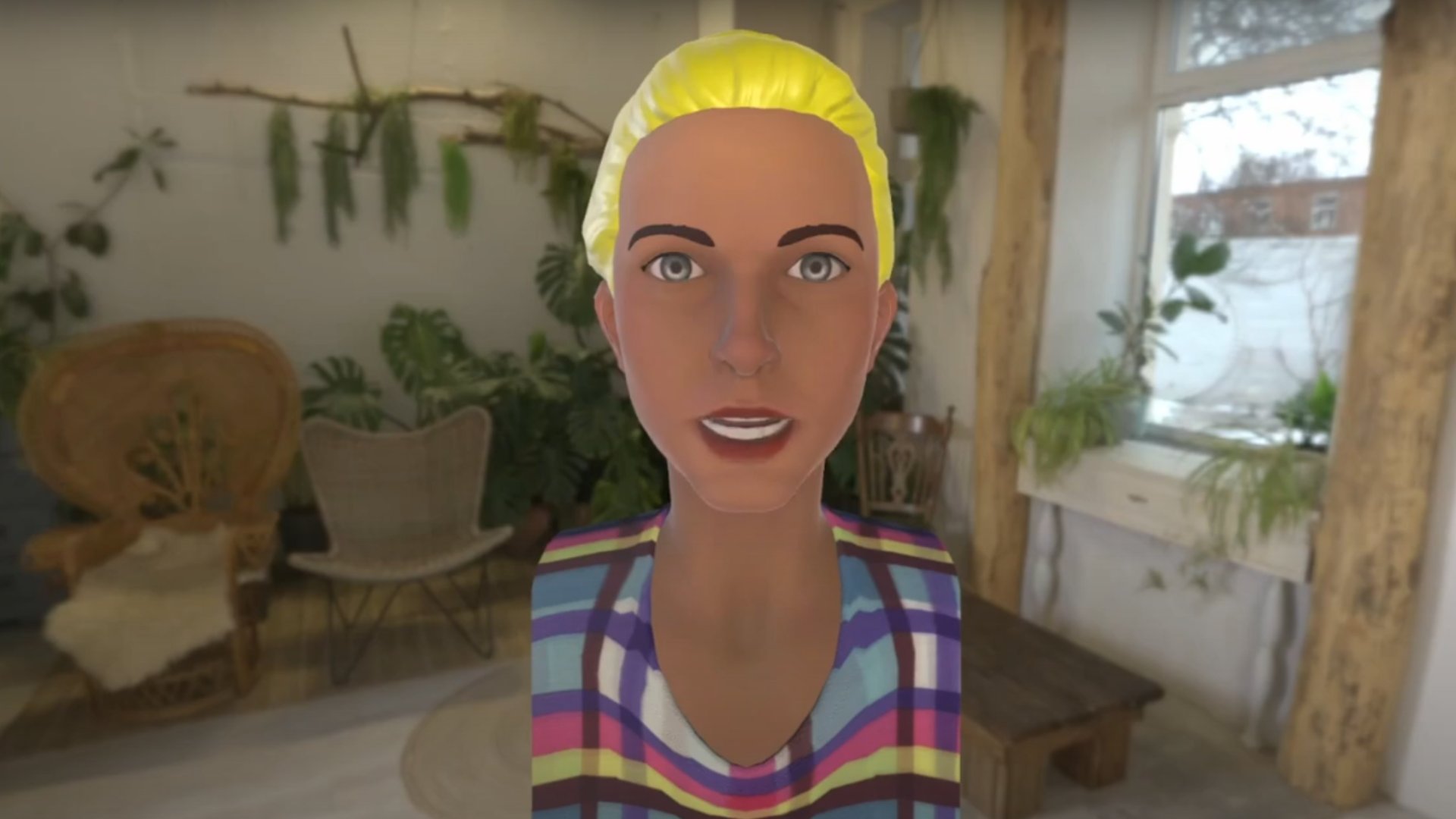
AI Virtual Assistant XR Prototype
Voice-driven Unity assistant exploring AI interaction inside immersive experiences.
A FoVR Labs concept that combines Unity, speech recognition and AI responses to test how virtual assistants could support games, XR and interactive workflows.
Overview
AI Virtual Assistant XR Prototype is a Unity concept exploring how speech, AI responses and real-time interaction could support immersive experiences. The prototype tests a simple but important question: what happens when an assistant becomes part of the interactive environment rather than a separate chat box?
For FoVR, this belongs in Labs because it connects AI and XR in a practical way. It is not positioned as a finished product. It is a testbed for voice-driven interaction patterns that could support games, training or spatial workflows.
Goals and objectives
Test voice-first interaction
Explore how users can speak naturally to trigger actions, ask questions or move through an interactive experience.
Bring AI into Unity workflows
Use AI responses inside a real-time Unity environment rather than treating AI as a separate web interface.
Explore assistant behaviour for XR
Investigate how virtual assistants could support guidance, onboarding, training steps and responsive interactions in immersive products.
Key features
Voice-activated commands
The prototype listens for spoken input and uses that input to drive responses or actions.
AI-assisted responses
ChatGPT integration was used to explore natural language response patterns inside a Unity application.
Real-time Unity environment
The experience runs inside Unity, making it relevant for future XR, game and simulation workflows.
Practical interaction testing
The value of the project is in the interaction pattern: how voice, AI and real-time applications can work together.
Lab notes
This project is intentionally framed as an AI + XR experiment. It supports the future-facing side of FoVR without turning the studio site into a generic AI product portfolio.
The most relevant part for FoVR is the interaction direction: assistants that help users inside spatial experiences, not just assistants that sit beside them.